
Thai Herbal Tea vs Regular Tea: Understanding Key Differences and Health Benefits
Tea is one of the most consumed beverages worldwide, with various types offering unique flavors and health benefits. Among these, Thai herbal tea stands out for its distinctive ingredients and traditional uses. This article, informed by insights from leading herbalists and tea connoisseurs, will explore the key differences between Thai herbal tea and regular tea, including their sources, processing methods, caffeine content, and health benefits. Readers will gain insights into how these two types of tea can fit into their wellness goals, helping them make informed choices. We will also highlight the unique offerings from ArtisanThai.com, an e-commerce platform dedicated to authentic Thai herbal wellness products.
What Defines Regular Tea and Its Varieties?
Regular tea primarily refers to beverages derived from the Camellia sinensis plant, which is known for its rich history and diverse varieties. The processing methods of these teas significantly influence their flavor profiles and health benefits. Understanding these distinctions is essential for tea enthusiasts and health-conscious consumers alike.
What is Regular Tea and Its Source Plant Camellia sinensis?
Regular tea is made from the leaves of the Camellia sinensis plant, which has been cultivated for centuries. This plant is native to East Asia and the Indian subcontinent and is the source of all traditional teas, including black, green, white, and oolong. The leaves undergo various processing methods, which determine the type of tea produced. For instance, black tea is fully oxidized, while green tea is minimally processed to retain its natural color and flavor. The historical significance of Camellia sinensis is profound, as it has been integral to cultural practices and health traditions across Asia, as detailed by organizations like the Tea Association of the USA.
How Do Black, Green, and Oolong Teas Differ in Processing and Benefits?
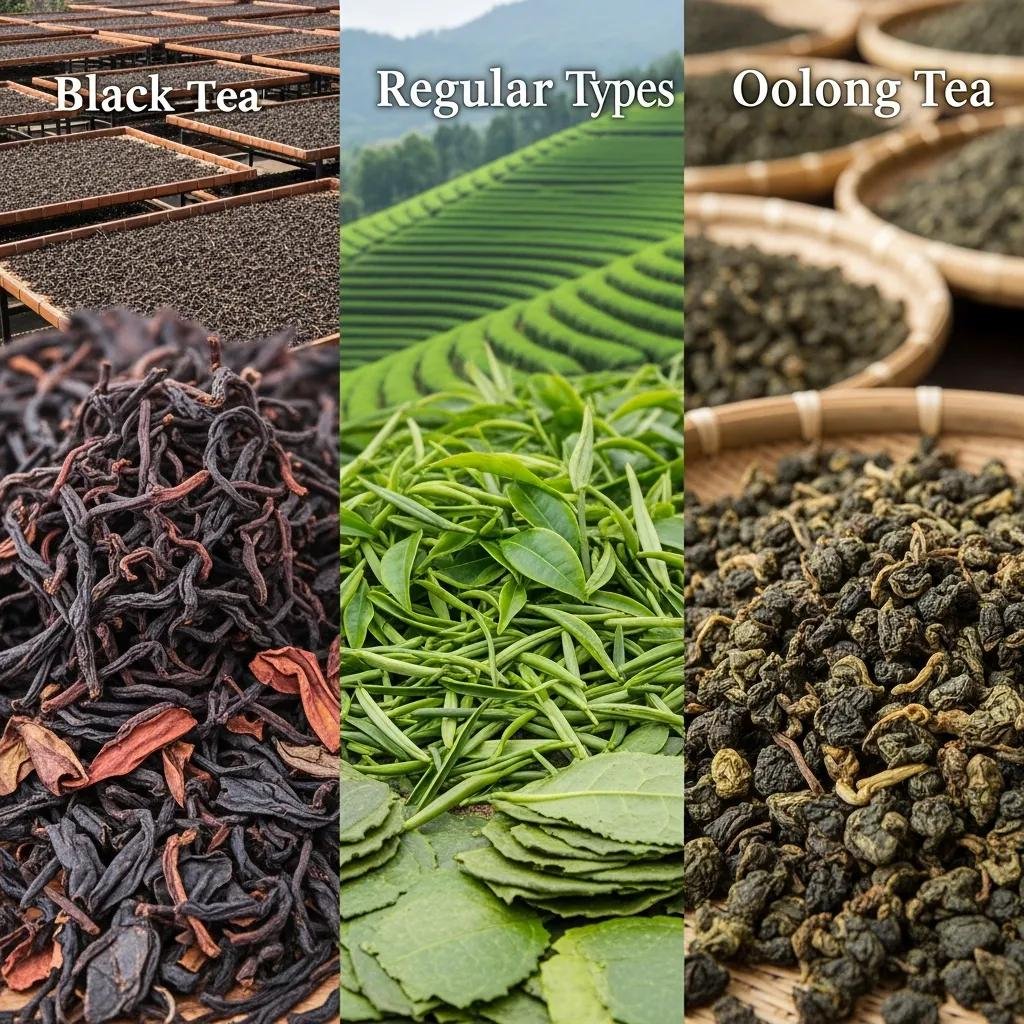
- Black Tea: Fully oxidized, resulting in a robust flavor and generally higher caffeine content compared to green tea. It is known for its potential heart health benefits and antioxidant properties.
- Green Tea: Minimally processed, preserving its green color and delicate flavor. Rich in catechins, it is celebrated for its metabolism-boosting and fat-burning properties, as supported by numerous nutritional studies.
- Oolong Tea: Partially oxidized, offering a flavor profile that falls between black and green tea. It is associated with improved mental alertness and weight management.
These processing techniques not only affect taste but also the health benefits associated with each tea type, a fact consistently highlighted by food science researchers.
What Makes Thai Herbal Tea Unique?
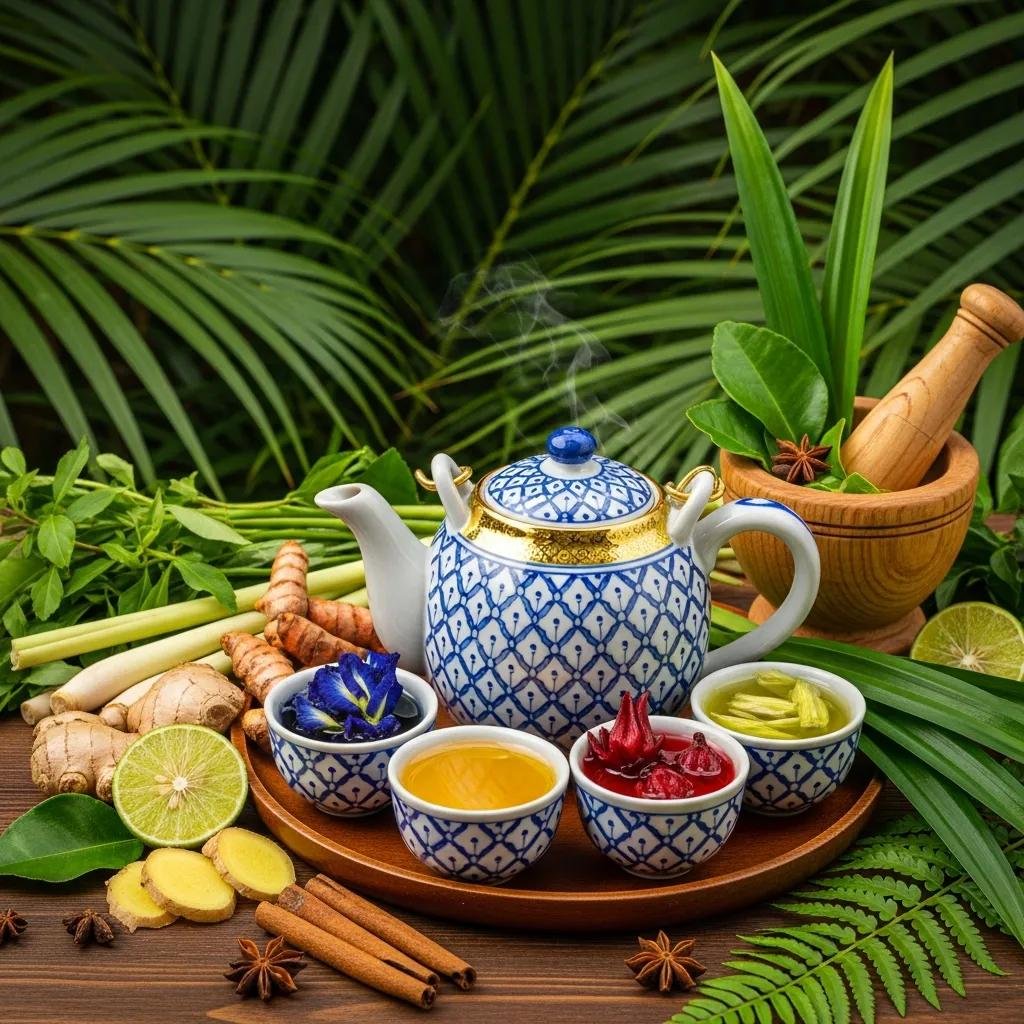
Thai herbal tea is distinct from regular tea due to its unique ingredients and cultural significance. It often incorporates a variety of herbs, flowers, and spices, reflecting traditional Thai remedies and wellness practices.
What Are the Traditional Thai Herbal Tea Ingredients and Their Uses?
- Lemongrass: Known for its refreshing flavor, it aids digestion and has anti-inflammatory and antimicrobial properties.
- Ginger: A well-known digestive aid, ginger also helps reduce nausea and inflammation.
- Butterfly Pea Flower: This vibrant blue flower is rich in antioxidants and is traditionally believed to enhance cognitive function and reduce stress.
Further research supports the traditional understanding of butterfly pea flower’s therapeutic properties, highlighting its antioxidant, anti-inflammatory, and neuroprotective effects.
Butterfly Pea Health Benefits: Antioxidant, Anti-inflammatory, Neuroprotective
This study aims to evaluate and summarize the findings from studies related to the effects of butterfly pea flowers (Clitoria ternatea L.) on human health, particularly those related to their therapeutic properties, including antioxidant, anti-inflammatory, neuroprotective, and relaxing effects.Based on the analysis results of various existing studies, butterfly pea flowers show great potential in supporting human health. The content of bioactive compounds, such as flavonoids, anthocyanins, and alkaloids, provides various significant therapeutic benefits.
Literature Study: The Effect of Butterfly Pea Flowers (Clitoria ternatea L.) on Human Health, CS Rini, 2025. [View Study]
How Does Thai Herbal Tea Reflect Traditional Thai Remedies and Wellness?
Thai herbal tea embodies the principles of traditional Thai medicine, which emphasizes balance and natural healing. The use of local herbs and spices in these teas reflects a holistic approach to health, aiming to support the body’s natural functions. This connection to cultural practices enhances the tea’s appeal, making it a popular choice for those seeking natural wellness solutions, a philosophy often championed by practitioners of traditional Asian medicine.
How Do Thai Herbal Tea and Regular Tea Differ in Caffeine Content and Health Effects?
Caffeine content is a significant factor that differentiates Thai herbal tea from regular tea. Understanding these differences can help consumers choose the right tea for their needs.
What is the Caffeine Content Comparison Between Herbal Tea and Regular Tea?
Regular teas, such as black and green tea, contain varying levels of caffeine, typically ranging from about 20 to 60 mg per cup (8 oz), depending on brewing time and tea type. In contrast, most Thai herbal teas are naturally caffeine-free, making them an excellent option for those sensitive to caffeine or looking to reduce their intake. This difference allows herbal teas to be enjoyed at any time of day without the risk of disrupting sleep patterns, a key consideration for many health-conscious individuals.
The distinct effects of regular tea on the central nervous system are largely attributed to the interplay between caffeine and L-theanine, whose concentrations can be influenced by processing.
Tea Caffeine & Theanine: Processing Effects & CNS Impact
Caffeine and L-theanine are pharmacologically important constituents of tea, especially due to their effects on the central nervous system. The effects of these two compounds are opposite: While caffeine is a well-known stimulant, theanine has a relaxing effect. Tea processing may influence the caffeine and theanine content of tea leaves.
Theanine and caffeine content of infusions prepared from commercial tea samples, D Csupor, 2016. [View Study]
What Are the Distinct Health Benefits of Thai Herbal Tea vs Regular Tea?

- Regular Tea: Rich in antioxidants, regular tea can support heart health, improve metabolism, and enhance mental alertness. These benefits are widely recognized by nutritional science.
- Té de hierbas tailandés: The diverse ingredients in Thai herbal tea provide a range of benefits, including digestive support, anti-inflammatory effects, and stress relief, aligning with traditional wellness practices.
How to Choose Between Thai Herbal Tea and Regular Tea for Your Wellness Goals?
Selecting the right tea depends on individual wellness goals and preferences. Understanding the specific benefits of each type can guide consumers in making informed choices, a principle emphasized by holistic health advisors.
Which Tea Supports Energy, Relaxation, Digestion, or Immunity Best?
- Energy: Regular black tea is ideal for a caffeine boost, while certain Thai herbal teas like ginger tea can invigorate without caffeine, offering a natural lift.
- Relaxation: Herbal teas, particularly those with chamomile or lemongrass, are excellent for promoting relaxation and reducing stress, often recommended by sleep specialists.
- Digestion: Both ginger and lemongrass in Thai herbal tea support digestive health, while green tea aids metabolism, providing comprehensive digestive support.
- Immunity: Regular tea, especially green tea, is rich in antioxidants, while herbal teas can provide immune support through various herbs, contributing to overall well-being.
What Are the Functional Benefits of Specific Thai Herbal Teas Like Butterfly Pea and Lemongrass?
- Butterfly Pea Tea: Known for its vibrant color, it is rich in antioxidants and may improve cognitive function and reduce stress, making it a favorite among those seeking mental clarity.
- Lemongrass Tea: This tea is not only refreshing but also aids digestion and has anti-inflammatory and antimicrobial properties, as confirmed by ethnobotanical studies.
Why Choose ArtisanThai.com for Authentic Thai Herbal Tea Products?
ArtisanThai.com is dedicated to providing authentic Thai herbal wellness products, ensuring customers receive high-quality teas that reflect traditional practices and the expertise of local communities.
How Does ArtisanThai.com Ensure Authenticity and Sustainable Sourcing?
ArtisanThai.com sources its herbal teas directly from local farmers, ensuring that the ingredients are authentic and sustainably harvested. This commitment to transparency and quality allows customers to trust the products they purchase, knowing they are supporting local communities and traditional practices, a cornerstone of ethical commerce.
What Unique Thai Herbal Tea Blends Does ArtisanThai.com Offer?
ArtisanThai.com offers a variety of unique Thai herbal tea blends, each crafted to provide specific health benefits. For example, their Butterfly Pea and Lemongrass blend combines the cognitive benefits of butterfly pea flowers with the digestive support of lemongrass, creating a delicious and healthful beverage.
| Tea Type | Key Ingredients | Health Benefits |
|---|---|---|
| Butterfly Pea Tea | Butterfly Pea Flowers | Cognitive enhancement, stress relief |
| Lemongrass Tea | Lemongrass | Digestive support, anti-inflammatory, antimicrobial |
| Ginger Tea | Ginger | Nausea relief, anti-inflammatory |
This table illustrates the unique offerings available at ArtisanThai.com, showcasing the health benefits of their herbal tea blends, meticulously curated for your well-being.
In conclusion, both Thai herbal tea and regular tea offer distinct flavors and health benefits. By understanding their differences, consumers can make informed choices that align with their wellness goals. ArtisanThai.com provides a trusted source for authentic Thai herbal teas, allowing individuals to explore the rich traditions and health benefits of these unique beverages.
Frequently Asked Questions
What are the potential side effects of consuming Thai herbal tea?
While Thai herbal tea is generally safe for most people, some ingredients may cause side effects in certain individuals. For example, lemongrass can lead to increased urination and may interact with medications for diabetes. Ginger, while beneficial for digestion, can cause heartburn or upset stomach in some cases. It’s essential to consult with a healthcare provider if you have underlying health conditions or are pregnant before incorporating new herbal teas into your diet, as advised by medical professionals.
Can Thai herbal tea be consumed daily?
Yes, many people enjoy Thai herbal tea daily as part of their wellness routine. However, moderation is key. While the ingredients are generally safe, excessive consumption of certain herbs may lead to adverse effects. For instance, high amounts of ginger can cause digestive issues. It’s advisable to vary your tea choices and listen to your body, ensuring that you enjoy the benefits without overdoing it, a balanced approach recommended by nutritionists.
How should Thai herbal tea be prepared for maximum benefits?
To prepare Thai herbal tea for optimal benefits, start with fresh or dried herbs and steep them in hot water for about 5 to 10 minutes. This allows the flavors and beneficial compounds to infuse into the water. For added health benefits, consider combining different herbs, such as lemongrass and ginger, to create a synergistic effect. Adjust the steeping time based on your taste preference, and enjoy it hot or iced, following traditional brewing methods.
Are there any specific health conditions that benefit from Thai herbal tea?
Thai herbal tea can be beneficial for various health conditions. For instance, ginger tea is often recommended for digestive issues and nausea, while lemongrass may help reduce inflammation and support heart health. Additionally, butterfly pea tea is noted for its potential cognitive benefits and stress relief. However, it’s important to consult with a healthcare professional for personalized advice, especially if you have specific health concerns, as individual needs vary.
How does the flavor profile of Thai herbal tea compare to regular tea?
Thai herbal tea typically has a more diverse and aromatic flavor profile compared to regular tea. While regular teas like black or green tea have distinct flavors based on their processing, Thai herbal teas often combine various herbs, spices, and flowers, resulting in unique and complex tastes. For example, the refreshing citrus notes of lemongrass and the earthy warmth of ginger create a vibrant experience that differs significantly from traditional tea varieties, offering a broader palate for tea enthusiasts.
Can Thai herbal tea be enjoyed cold or as an iced beverage?
Absolutely! Thai herbal tea can be enjoyed both hot and cold. To make iced Thai herbal tea, brew the tea as usual, then let it cool before pouring it over ice. You can enhance the flavor by adding fresh herbs, citrus slices, or a touch of honey. Iced herbal tea is a refreshing option, especially during warmer months, and retains the health benefits of the hot version, making it a versatile choice for any season.
Conclusion
Both Thai herbal tea and regular tea present unique flavors and health benefits that cater to diverse wellness needs. Understanding their differences empowers consumers to make informed choices that align with their health goals. ArtisanThai.com is your trusted source for authentic Thai herbal teas, offering a gateway to explore these rich traditions. Discover our selection today and elevate your tea experience.
 English
 Chinese
 French
 German
 Hindi
Hindi Indonesian
 Malay
Malay Portuguese
 Spanish