
Thai Tea and Your Wellbeing: Exploring the Natural Wellness Role of Authentic Thai Tea
Reviewed by: Traditional Thai medicine and integrative medicine practitioners to help ensure this article reflects both Thai tea traditions and current research in a balanced, safety‑aware way.
Thai tea is a beloved drink known for its rich flavour and vibrant colour, and it can also play a modest role in a wellness‑focused lifestyle. Instead of being seen as a “health fix”, Thai tea is best understood as a flavourful way to enjoy black tea and traditional spices that have been studied for their antioxidant and digestive‑supportive roles [web:126][web:131]. By learning how authentic Thai tea is prepared, which ingredients it often contains, and how to serve it with less sugar and heavy dairy, you can enjoy it as part of your everyday routine. This guide looks at common ingredients, antioxidant research on black tea, digestive and heart‑conscious angles, and practical tips to keep Thai tea aligned with modern wellness goals.
What Is Thai Tea, and How Does It Fit into Wellness?
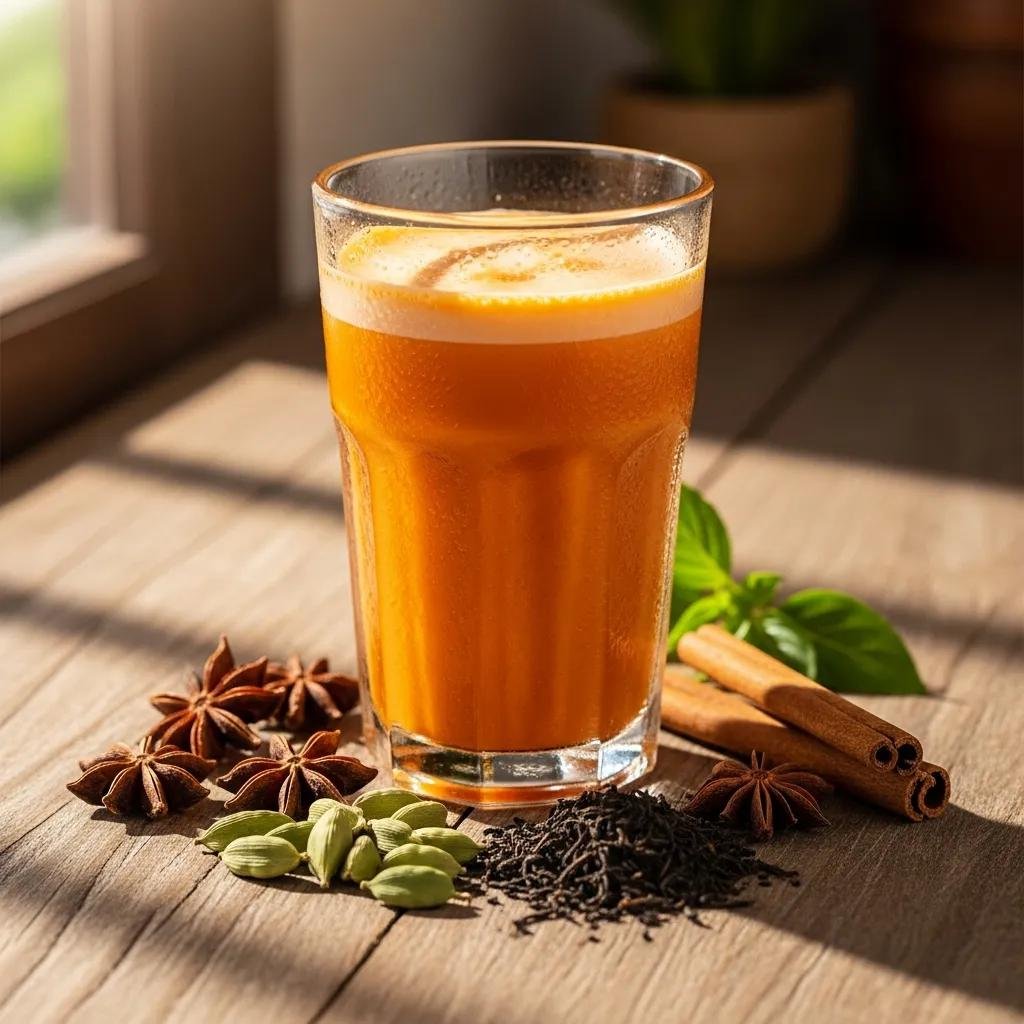
Thai tea is a traditional drink made from strongly brewed black tea, usually combined with spices and served with milk and sweetener. Its bright orange colour and aromatic profile have made it a favourite in Thai cafés and street stalls. From a wellness point of view, Thai tea’s interest comes mainly from its black tea base and optional spices such as star anise or cardamom, which are the same components that have been studied in broader tea and spice research [web:126][web:125]. When prepared thoughtfully, it can be one of several tea options in a balanced lifestyle.
Which Ingredients Commonly Appear in Authentic Thai Tea?
Recipes vary, but many Thai tea preparations feature:
- Black tea: The main base, naturally containing caffeine and polyphenols that have been linked with antioxidant and cardiovascular effects in black‑tea studies [web:126][web:131].
- Star anise: Used for its distinctive flavour and traditional association with digestive comfort and carminative (gas‑relieving) use in herbal practice [web:129].
- Optional spices: Some blends include cardamom, tamarind, or orange blossom, which contribute aroma and fit into broader herbal and culinary traditions.
These ingredients create the familiar taste of Thai tea and connect it to broader research on black tea and common kitchen spices, without turning it into a medical product.
How Does Thai Tea Reflect Thai Culture and Herbal Traditions?
Thai tea is woven into everyday life in Thailand, often shared at social gatherings, markets, and cafés. It reflects a cultural habit of combining flavour, hospitality, and traditional ingredients in food and drink. This cultural context includes Thailand’s longer herbal and tea‑drinking heritage, where plants are used with an emphasis on balance, comfort, and enjoyment rather than as standalone cures. For many people, this cultural richness is part of why Thai tea feels like a “whole experience”, not just a beverage.
How Do Antioxidants in Black Tea Support General Wellness?
Much of the wellness conversation around Thai tea comes from research on black tea itself. Black tea is naturally rich in polyphenols and flavonoids, which act as antioxidants in laboratory and human studies [web:125][web:131]. These compounds help neutralise reactive oxygen species and may support vascular and cellular health as part of an overall diet rich in plant foods.
What Do Polyphenols and Flavonoids in Black Tea Do?
Research reviews note that black tea polyphenols can help counter oxidative stress, either by directly scavenging reactive species or by supporting the body’s own antioxidant enzyme systems [web:125]. Clinical trials suggest that regular black tea intake can improve measures of endothelial and vascular function and modestly influence blood pressure in some populations [web:131]. These studies are usually done on plain black tea without sugar or heavy creamers, which is worth keeping in mind when adapting Thai tea recipes for wellness.
Why Is Oxidative Stress Relevant in Everyday Health Conversations?
Oxidative stress is a term used to describe an imbalance between reactive oxygen species and the body’s ability to manage them, and it is discussed in relation to many long‑term health conditions. Diets that regularly include fruits, vegetables, teas, and other polyphenol‑rich foods are often recommended in general wellness guidance partly for this reason [web:125]. While Thai tea shouldn’t be framed as a cure, enjoying black‑tea‑based drinks in moderation can be one way to add more polyphenols to your day.
How Might Thai Tea Relate to Digestive Comfort?
In many traditions, the spices used in Thai tea, particularly star anise and cardamom, have been used after meals to support digestion. Black tea itself has also been studied in relation to gut microbiota and digestive comfort [web:125][web:129]. For some people, a warm, lightly spiced tea after food is experienced as soothing.
What Is Known About Star Anise and Digestion?
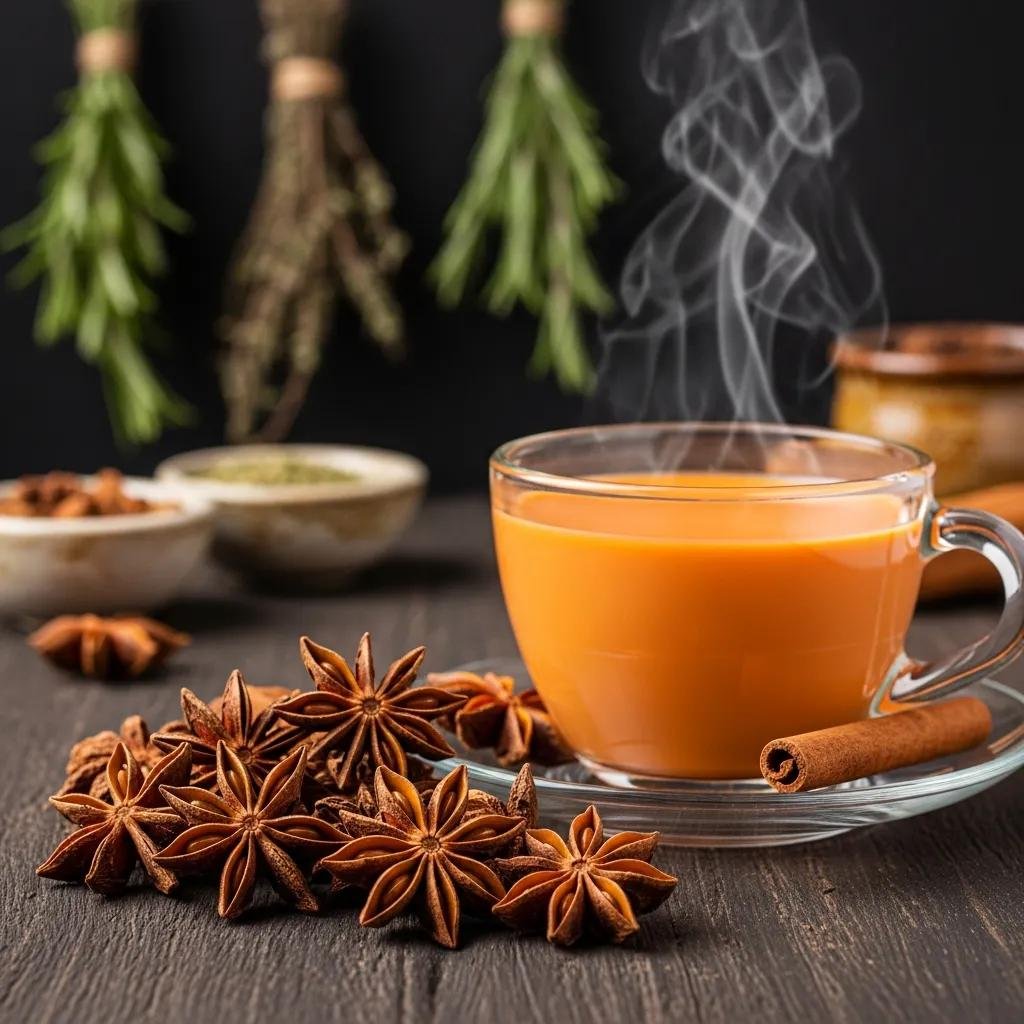
Herbal sources describe star anise as having traditional carminative and antispasmodic actions, and it is commonly used to ease mild digestive discomfort such as bloating and gas [web:129]. At the same time, safety resources emphasise the need to buy correctly identified Chinese star anise from reputable suppliers, because contamination with toxic Japanese star anise has caused adverse reactions [web:129][web:132]. For that reason, it is generally recommended that star‑anise teas be used cautiously in children, pregnancy, and breastfeeding, and always sourced from trusted brands.
How Does Black Tea Interact with the Gut?
Studies suggest that black tea polyphenols can influence the composition of gut microbiota and may support certain beneficial bacterial groups, which is one way tea might contribute to digestive wellbeing [web:125][web:131]. Some people also find that swapping very sugary drinks for unsweetened or lightly sweetened tea can help them feel less bloated. As always, individual responses vary, so it is sensible to start with small amounts and see how your body reacts.
How Does Black‑Tea‑Based Thai Tea Fit into Heart‑Conscious Diets?
There is a growing body of work looking at black tea and cardiovascular markers. Thai tea uses the same type of leaves, so insights from black‑tea studies can help inform how to enjoy it within a heart‑conscious framework.
What Have Clinical Trials Reported About Black Tea and Vascular Health?

Clinical research has found that regular black tea consumption can improve flow‑mediated dilation, a measure of endothelial function, in some groups, and modestly lower blood pressure in certain trials [web:127][web:131]. Observational data also link tea flavonoid intake with lower cardiovascular risk in large populations [web:128]. These findings are encouraging, but they relate to tea as part of an overall pattern that includes diet, movement, and other habits, not as a stand‑alone heart treatment.
How Should Thai Tea Be Framed in Heart‑Health Conversations?
Because Thai tea is often served with sugar and condensed milk, the heart‑conscious approach is to enjoy it in forms that limit added sugars and saturated fats. When brewed from quality black tea, lightly sweetened, and combined with suitable milk options, Thai tea can be one of many beverages that fit into a broader heart‑aware eating plan. People with diagnosed heart conditions should always follow guidance from their clinicians when deciding how tea fits into their daily routine.
Can Thai Tea Play a Role in Energy, Focus, and Weight‑Conscious Routines?
Black tea naturally contains caffeine, and, like other teas, provides smaller amounts of the amino acid L‑theanine. These compounds have been studied for their effects on alertness, focus, and perceived calm [web:126][web:130]. Some people also include tea in their weight‑management routines as a lower‑calorie alternative to sugary drinks.
How Do Caffeine and L‑Theanine Work Together?
Tea caffeine can support alertness, while L‑theanine is described in research as promoting a relaxed but attentive mental state by influencing brain alpha‑wave activity [web:130][web:133]. Together, they are thought to provide a smoother energy profile than caffeine alone, although most L‑theanine trials use higher supplement doses than you would get from a single cup of tea [web:133]. For everyday drinkers, this often translates to feeling “calmly focused” rather than wired, especially when tea is consumed in moderation.
Where Does Thai Tea Fit in Weight‑Management Plans?
Replacing very sweet beverages with lightly sweetened or unsweetened tea can reduce overall calorie intake, and tea’s caffeine may slightly increase energy expenditure, which is why tea appears in some weight‑management discussions [web:126]. However, classic Thai iced tea made with generous condensed milk and sugar can be high in calories, so tweaks to preparation are important if weight control is a goal. Thai tea should be seen as a supportive beverage choice within a broader pattern of balanced eating and regular movement, not as a weight‑loss solution on its own.
How Can You Prepare Thai Tea in a More Wellness‑Friendly Way?
Small changes in how you brew and serve Thai tea can make a big difference to its overall profile. The goal is to keep the authentic flavour and experience while being mindful of sugar, dairy, and portion size.
What Preparation Tips Help Reduce Sugar and Heavy Dairy?
- Sweeten lightly: Use less sugar than standard café recipes, or switch to small amounts of honey or stevia if appropriate for you.
- Experiment with milks: Try unsweetened plant milks (such as oat, almond, or coconut) or small amounts of regular milk instead of large servings of sweetened condensed milk.
- Let the tea shine: Brew the tea a bit stronger so flavour comes from the leaves and spices rather than from sugar alone.
These adjustments can help Thai tea align more closely with heart‑ and weight‑conscious goals while still feeling like a treat.
How Does ArtisanThai Approach Authenticity and Wellness in Thai Tea?
ArtisanThai.de focuses on Thai teas and herbal products that reflect traditional recipes and careful sourcing. The company works with Thai suppliers to select quality leaves and spices, and provides clear information about ingredients and preparation ideas so customers can adapt drinks to their own wellness preferences. This helps tea lovers enjoy Thai tea’s characteristic flavour while making informed choices about how it fits into their daily routines.
Key Ingredients in Thai Tea and Their Wellness Roles
| Ingredient | Wellness Focus | Context |
|---|---|---|
| Black tea | Polyphenols, gentle caffeine, cardiovascular and gut research | Traditional Thai tea base; studied in human trials for vascular and gut markers [web:126][web:131] |
| Star anise | Traditional digestive comfort, aromatic warmth | Used in many tea and spice blends; must be sourced carefully to avoid toxic look‑alike species [web:129][web:132] |
| Cardamom (optional) | Post‑meal comfort, fresh aroma | Common in South and Southeast Asian teas and desserts; discussed in nutrition articles for digestion‑related use [web:126] |
Important Notes and Safety
Thai tea and related herbal blends can be part of a wellness‑oriented lifestyle, but they are not medicines and are not intended to diagnose, treat, cure, or prevent any disease. People who are pregnant, breastfeeding, managing specific health conditions, or taking medication should talk with a healthcare professional before making tea a regular part of a therapeutic plan, especially when strong spices or multiple cups of caffeinated tea are involved [web:132]. Children, and anyone with a history of sensitivity to caffeine or spices, should also use Thai tea cautiously and in small amounts.
 English
 Chinese
 French
 German
 Hindi
Hindi Indonesian
 Malay
Malay Portuguese
 Spanish