
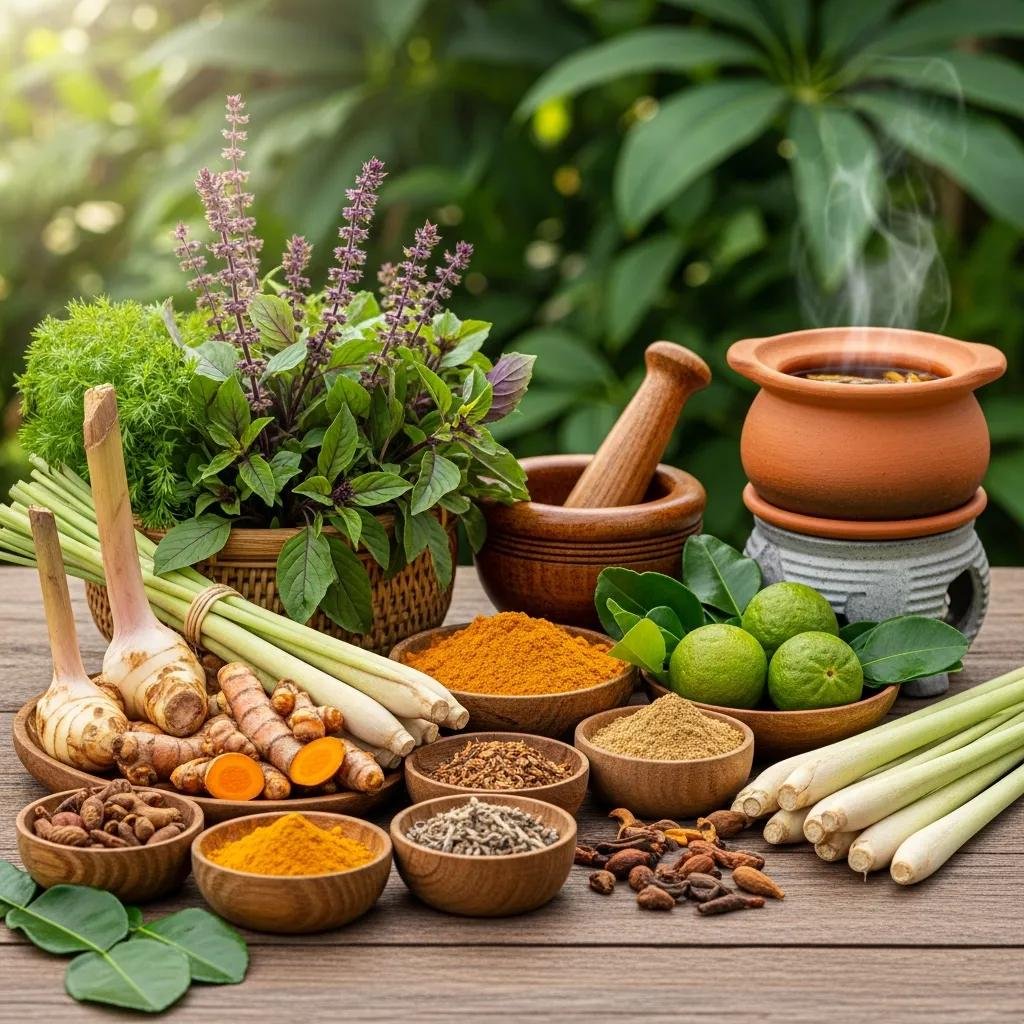
Unveiling the Essence of Thai Herbal Wellness: A Deep Dive into Authentic Thai Herbal Traditions and Benefits
Thai herbal practices represent a rich body of traditional knowledge, carefully developed within the cultural and spiritual fabric of Thailand. Their distinctiveness lies in a holistic outlook that weaves together physical comfort, emotional steadiness, and spiritual balance rather than focusing on single symptoms. Many Thai practitioners describe this as a framework for living in balance with one’s environment and constitution. This article explores key themes in Thai herbal wellness: foundational philosophies, important herbs, classic preparation methods, and ways to bring them into modern daily life. At a time when many people look for natural, tradition‑based options alongside conventional care, Thai herbal practices offer a long‑standing, experience‑based perspective rooted in plants and careful observation. We will outline the core ideas of traditional Thai medicine, highlight herbs that frequently appear in practice, and show how brands such as ArtisanThai.de work to uphold authenticity and quality.
Growing global interest in wellness tourism and traditional medicine has drawn more attention to Thai holistic approaches, including herbal use, massage, and spiritual practices, as part of broader wellness journeys.
Thai Holistic Wellness Tourism & Traditional Medicine: A Global Perspective
Global wellness reports describe rapid growth across sectors such as spa services, traditional medicine, preventive care, and wellness tourism, with travellers increasingly seeking destinations that combine rest, culture, and health‑oriented experiences. Thailand features prominently in this landscape thanks to its well‑known massage, spa culture, and traditional medicine offerings, and researchers are now examining how Thai holistic wellness concepts connect with modern ideas of quality of life and wellbeing.
Based on Global Wellness Economy Monitor insights, 2018 and later sector analyses
What Is Traditional Thai Medicine and Its Wellness Philosophy?
Traditional Thai Medicine (TTM) is a holistic system that brings together herbal practice, Thai massage (Nuad Thai), dietary guidance, and spiritual or meditative elements. It views health as a dynamic balance among body, mind, and spirit and emphasises prevention and lifestyle as much as response to discomfort [web:137]. Rather than treating isolated complaints, TTM practitioners look at patterns, constitution, and environment to understand why someone feels out of balance and how to support their return to equilibrium.
How Does the Four Elements Theory Shape Thai Herbal Traditions?
The Four Elements Theory is a core concept in Thai herbal and bodywork traditions. It describes the body and mind in terms of earth (structure), water (fluids and cohesion), fire (warmth, digestion, transformation), and wind (movement, from breath to circulation and even thought) [web:138]. In this view, health reflects a harmonious interaction among these elements, while discomfort may signal that one or more elements are “excited” or “weakened” relative to the others rather than simply “too much” or “too little.”
TTM practitioners consider each person’s elemental constitution (often called Tard Chao Ruan or core element makeup) [web:141]. This guides choices around herbs, massage techniques, and lifestyle recommendations aimed at gently nudging the elements back toward balance, rather than applying the same protocol for everyone.
What Historical Currents Shaped Traditional Thai Medicine?
Traditional Thai medicine developed at the crossroads of several knowledge streams, especially influences from Ayurveda in India and Traditional Chinese Medicine, as well as Buddhist thought. Concepts such as vital winds (Lom), energy pathways, and elemental balance echo ideas found across Asia, but have been adapted and re‑expressed in distinctly Thai ways [web:136][web:138]. Traditional texts, temple inscriptions, and oral lineages record both herbal materia medica and diagnostic frameworks, and these continue to inform contemporary practice alongside modern research.
Which Thai Herbs Are Central to Traditional Herbal Practice?
Thai herbal practice uses a wide range of plants, but a few stand out for their repeated appearance in both traditional recipes and modern wellness discussions. These herbs are often grown in Thailand’s diverse ecosystems and are selected for qualities that align with elemental and constitutional thinking.
How Are Turmeric and Holy Basil Described in Thai and Global Wellness Contexts?
Turmeric (Curcuma longa) has a long history in Thai and neighbouring traditions as a warming, brightly coloured rhizome used in food, drinks, and topical applications. Modern research has focused on curcumin, a key compound in turmeric, which has been extensively studied for its anti‑inflammatory and antioxidant effects in experimental and clinical settings [web:139][web:142]. In a wellness context, turmeric is commonly associated with joint comfort, digestive support in cooking, and general “protective” roles when part of an overall plant‑rich diet.
Holy basil (Ocimum sanctum, often called Tulsi) is widely described as an adaptogenic herb in both Ayurvedic and Thai‑influenced circles. Clinical and mechanistic work suggests that holy basil can help modulate stress responses and may influence markers such as cortisol and subjective stress ratings [web:140][web:143]. In traditional Thai and broader South Asian practice, it is often used in teas and rituals associated with clarity, steadiness, and resilience, making it a popular choice for people interested in stress‑supportive routines.
How Do Thai Herb Combinations Create Synergistic Effects?
Thai herbal formulas rarely rely on a single plant. Instead, they combine herbs to balance warming and cooling qualities, support multiple organ systems, and improve flavour and digestion. For example, pairing turmeric with black pepper (piperine) is known from research to increase curcumin’s bioavailability in the body [web:139]. In TTM, such combinations are chosen not only for pharmacokinetic reasons but also for their elemental and constitutional fit, and for how they are experienced by real people over time.
How Are Traditional Thai Herbal Preparations Made and Used?
Preparation methods in Thai herbal practice aim to match the form of the herb to its intended use, whether that is broad systemic support, local comfort, or aromatic influence. These methods also reflect practical wisdom about how to extract certain constituents while keeping formulas approachable in daily life.
What Are Common Thai Herbal Preparations Like Compresses and Teas?
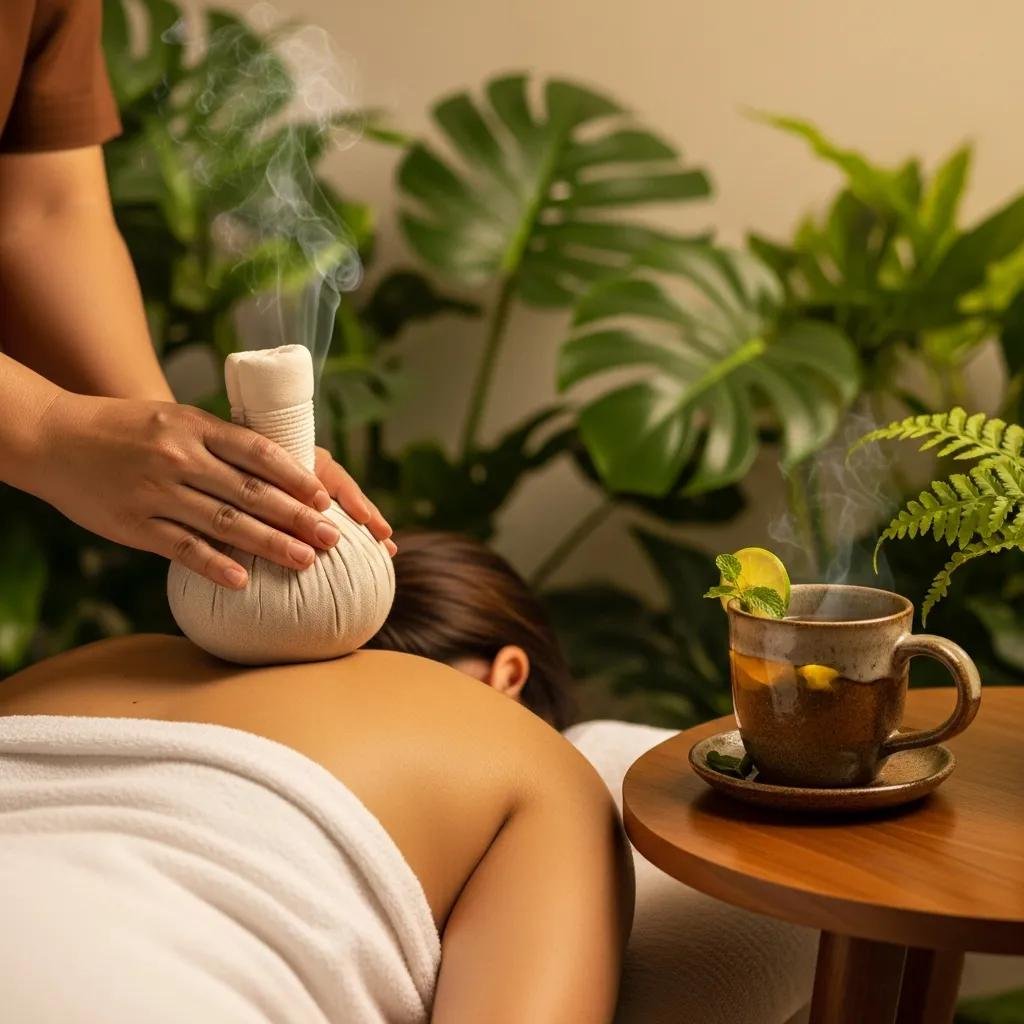
Thai herbal compresses (Luk Pra Kob) are cloth bundles filled with a blend of herbs such as lemongrass, ginger, turmeric, and kaffir lime peel. They are steamed and then pressed or rolled over the body in massage sessions. The warmth and aromatic vapours are used to encourage relaxation, ease perceived muscle tension, and create a sense of comfort and openness.
Herbal teas and infusions are another key preparation, used to extract water‑soluble constituents from herbs like lemongrass, holy basil, and ginger. These drinks are enjoyed for their flavours and their place in daily routines—for example, after meals, before bed, or during reflective breaks—rather than as quick fixes. Each preparation style is matched with the herb’s texture, solubility, and intended role.
How Do Preparation Methods Support Herbal Effectiveness?
From a traditional and modern perspective, preparation can influence how herbs are experienced. Steaming compresses helps release volatile oils and makes heat and aroma more available to the skin and senses. Teas and decoctions allow water‑soluble compounds, such as many flavonoids and certain bitters, to diffuse into the water. Oil‑based preparations, such as massage oils and balms, can be better suited for lipid‑soluble constituents. Understanding these basic ideas helps people choose forms that match their goals, whether that is winding down, feeling lighter after a meal, or adding gentle warmth to tired areas.
Why Choose Authentic Thai Herbal Products from ArtisanThai.com?
With growing interest in herbal products worldwide, the authenticity and quality of Thai herbal goods matter more than ever. Sourcing, preparation, and transparency all contribute to how well a product reflects genuine Thai traditions and meets modern expectations.
How Does ArtisanThai.com Approach Authenticity and Quality?
ArtisanThai.de focuses on working with Thai farmers and producers who honour traditional cultivation and preparation methods while meeting contemporary quality standards. Herbs are sourced from trusted partners, often using organic or low‑input approaches, and batches are checked to help ensure cleanliness and identity. By sharing details about ingredients, origins, and intended uses, ArtisanThai aims to help customers choose products that fit their own preferences and values, rather than making broad medical promises.
What Sustainable Sourcing Practices Support Thai Herbal Traditions?
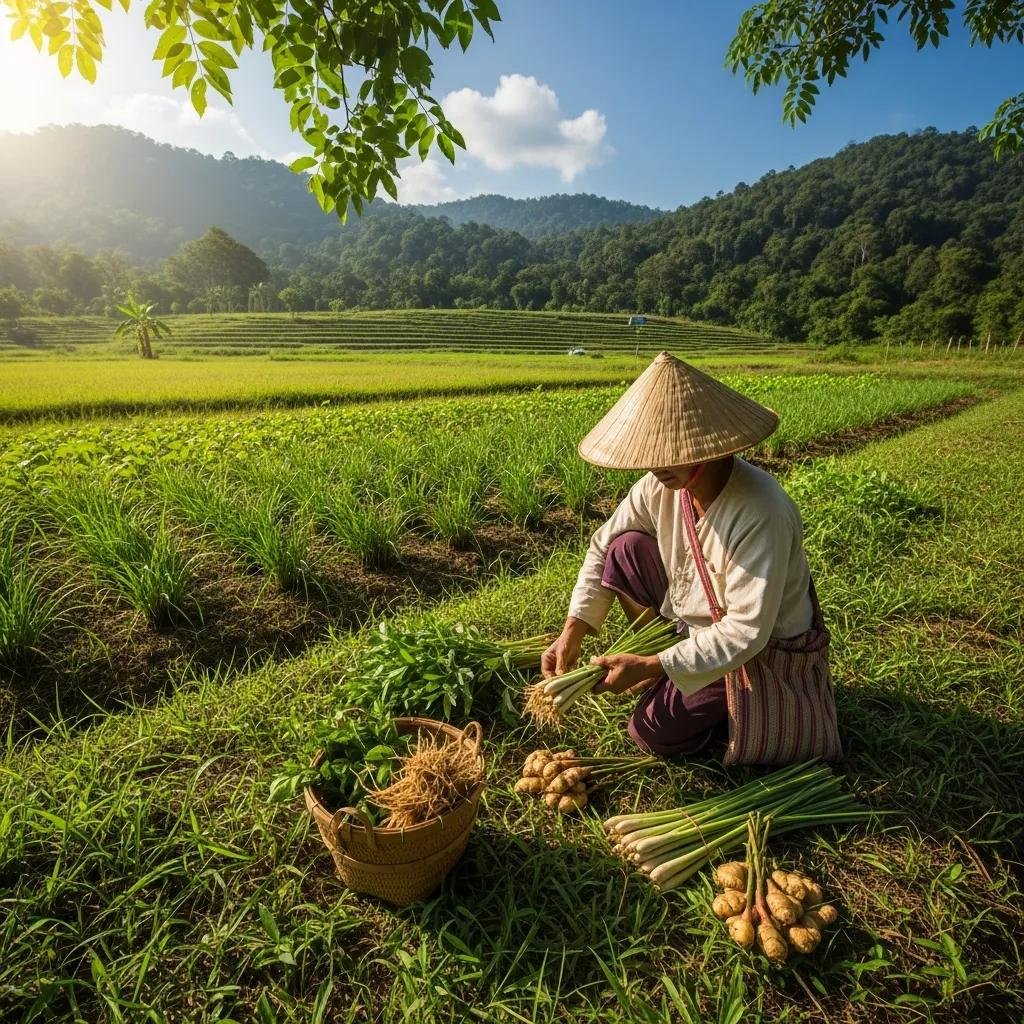
Sustainability is increasingly central to conversations about herbs in Thailand and elsewhere. Working with farmers who use organic or regenerative practices supports soil health, water quality, and biodiversity in herbal landscapes [web:138]. Long‑term relationships between brands and growers can also provide more stable incomes for rural communities and help preserve local plant knowledge. ArtisanThai highlights these partnerships and practices as part of a farm‑to‑wellness approach that connects consumers, producers, and ecosystems.
How Can You Bring Thai Herbal Wellness into Modern Daily Life?
Incorporating Thai herbal traditions into contemporary life does not require a complete lifestyle overhaul. Small, consistent habits can create meaningful touchpoints with this heritage while supporting your own sense of wellbeing.
What Are Practical Ways to Use Thai Herbs in Everyday Routines?
Practical, accessible options include:
- Enjoying herbal teas made with lemongrass, ginger, or holy basil as part of your morning or evening ritual.
- Using herbal compresses or warm herbal balms after exercise or long work days to encourage relaxation.
- Cooking with herbs such as turmeric, galangal, kaffir lime, and holy basil in soups and stir‑fries to bring traditional flavours and plant diversity into your meals.
People interested in more specific or intensive use—for example, for complex health concerns—are encouraged to consult qualified TTM practitioners or healthcare professionals who understand both herbs and conventional care.
How Do Thai Herbal Principles Align with Modern Natural Wellness?
Modern natural‑wellness trends often emphasise prevention, lifestyle, and root‑cause thinking. Thai herbal traditions share many of these themes, focusing on balance, constitutional awareness, and long‑term patterns rather than only short‑term symptom relief [web:137]. By combining respectful use of herbs with attention to sleep, movement, diet, relationships, and mental health, individuals can build a more complete wellness picture that resonates with both traditional Thai insights and contemporary holistic frameworks.
Unique Thai Herbs and Their Roles
| Herb | Key Roles (Traditional & Research‑Informed) | Traditional Uses & Modern Context |
|---|---|---|
| Turmeric (Curcuma longa) | Warming, colouring, widely studied for anti‑inflammatory and antioxidant activity [web:139][web:142] | Used in curries, teas, and poultices; appears in modern supplements focused on joints and general resilience |
| Holy Basil (Ocimum sanctum / Tulsi) | Adaptogenic reputation, associated with stress support and immune‑conscious use [web:140][web:143] | Drunk as a calming tea, used in rituals, and included in modern formulas for stress and mood support |
| Lemongrass (Cymbopogon citratus) | Linked with digestive comfort, fresh aroma, and gentle relaxation | Common in soups, herbal infusions, essential oils, and home spa products |
| Ginger (Zingiber officinale) | Warming, widely used for nausea and digestive ease; studied for anti‑inflammatory properties | Used in teas, cooking, compresses, and travel remedies across many cultures |
| Kaffir Lime (Citrus hystrix) | Aromatic, associated with cleansing and uplifting routines | Appears in food, shampoos, massage oils, and home rituals for freshness and clarity |
Frequently Asked Questions
What role can Thai herbal practices play in modern healthcare?
Thai herbal practices are increasingly included in integrative and complementary care settings as options for lifestyle support, stress management, and everyday comfort. Research in ethnopharmacology and clinical fields continues to investigate specific herbs and formulas, while practitioners emphasise fitting herbal use into a comprehensive plan that also respects conventional diagnosis and treatment.
Are there side effects or risks with Thai herbal products?
As with any herbs, some people may experience allergies, sensitivities, or interactions with medications. Quality, correct plant identification, and appropriate dosing all matter. It is important to work with reputable suppliers and to consult a healthcare professional—especially if you are pregnant, breastfeeding, managing chronic conditions, or taking prescription drugs—before starting new herbal products.
How can I learn more about individual Thai herbs?
You can explore books and courses on Traditional Thai Medicine, consult peer‑reviewed databases such as PubMed, or attend workshops led by experienced TTM practitioners and herbalists. Reputable brands, including ArtisanThai.de, often provide background information on key herbs, their traditional roles, and how products are sourced and prepared.
Can Thai herbal approaches be combined with conventional medicine?
Many people use Thai herbal approaches alongside conventional care in an integrative framework. This should always be done with professional guidance so that herbs and medications do not conflict, and so that serious conditions are properly assessed. Open communication between practitioners helps create a safe, coordinated plan.
Why is sustainability important in Thai herbal practice?
Sustainable growing and harvesting methods help maintain plant populations, protect ecosystems, and support farming communities. As demand for herbal products grows, ethical sourcing ensures that traditional plants remain available for future generations and that local knowledge holders are fairly supported. Brands that prioritise these values help sustain both cultural heritage and environmental health.
How can I start integrating Thai herbal ideas into my daily life?
Begin with simple steps: add a Thai‑inspired herbal tea to your day, cook with Thai herbs more often, or include a small herbal self‑care ritual such as a foot soak or compress. Over time, you can explore more tailored guidance from practitioners if you wish to deepen your connection with Thai herbal traditions.
Conclusion: Honouring Thai Herbal Wisdom in Modern Life
Thai herbal wellness brings together centuries of observation, cultural meaning, and plant knowledge into a living tradition. By learning about the foundations of Traditional Thai Medicine, the characteristics of key herbs, and the thinking behind classic preparations, you can integrate these practices into your life in ways that feel respectful, grounded, and personally meaningful. With careful sourcing and a focus on balance, companies like ArtisanThai.de help connect modern wellness seekers with authentic Thai herbal products, supporting both individual wellbeing and the communities and landscapes that sustain this tradition.
 English
 Chinese
 French
 German
 Hindi
Hindi Indonesian
 Malay
Malay Portuguese
 Spanish